


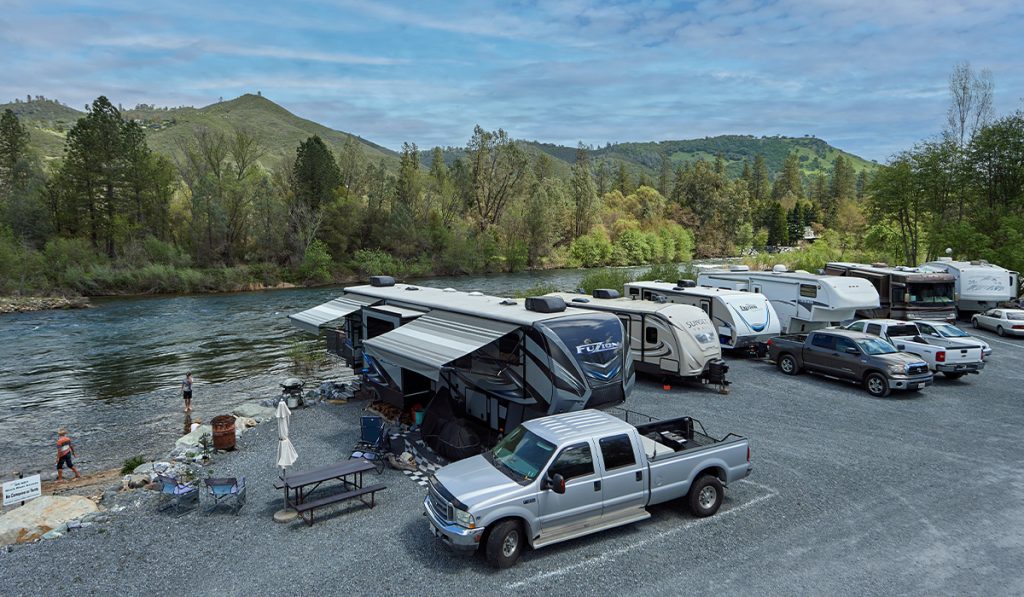
The California Gold Rush ran from 1848 to 1855 and had a major impact not only on the state of California, but on the whole United States. In January of 1848, James Marshall, a sawmill operator for Sutter’s Mill in Coloma, California, noticed gold-colored flecks in the tailrace, the end of the portion of the sawmill that carries away the water from the mill. Upon further investigation, Marshall realized it was gold. Marshall informed Sutter of his findings and all the employees were sworn to secrecy – but like any other big secret, word got out and that began the California Gold Rush.
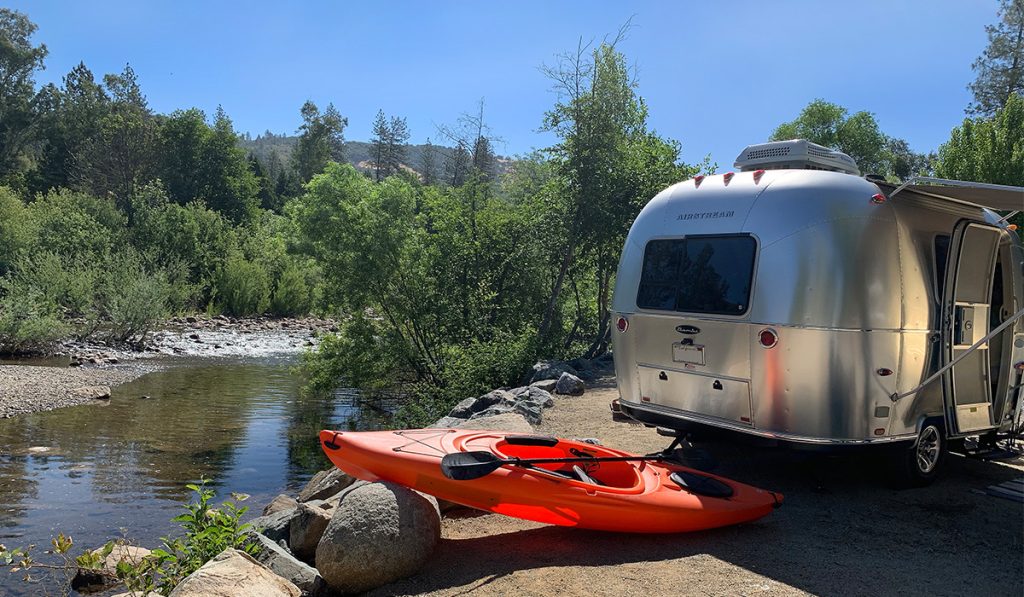
Miners, as well as people who had no idea how to mine, flooded the area in search of their fortune. Roughly 300,000 people came from all over the world to California and created a tremendous impact on California’s population and economy. New towns, known as boomtowns, sprouted up all over. The people that arrived were nicknamed “Forty-Niners” for the year they began arriving in droves. General stores, saloons and other businesses opened to provide for this influx of population and changed the landscape of California forever. But like every boom, a bust follows and once the mines were depleted, people moved on, leaving ghost towns in their wake.
To explore the history of California’s Gold Rush, book a stay at Thousand Trails Ponderosa, Thousand Trails Snowflower or Tahoe Valley Campground, all of which are located in area that were areas significant to the Gold Rush.
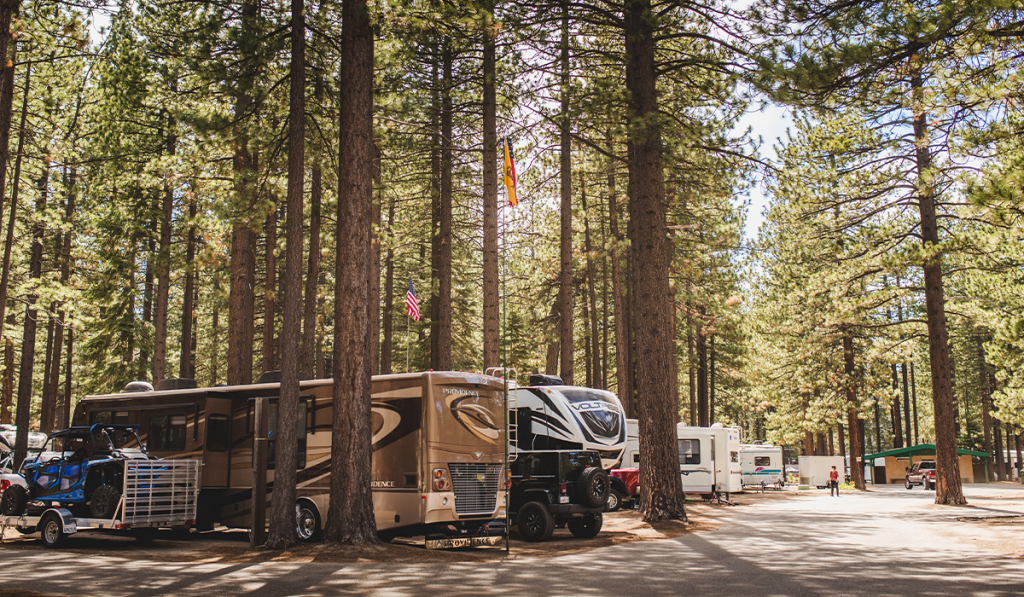
Ponderosa is the closest to the Marshall Gold Discovery State Historic Park which actually encompasses the town of Coloma. Visitors can learn about the history through interpretive exhibits, view buildings that existed back during the Gold Rush and most importantly, pan for gold!
Thousand Trails Snowflower is located in the town of Emigrant Gap, which provided wagon passage for travelers to reach Coloma and the mines. A short distance from Emigrant Gap is the Gold Rush Museum, which showcases the Gold Rush history in the area and even includes a mining tunnel and an indoor panning stream. Similarly, many of those headed to Coloma passed through the Lake Tahoe area and thus more businesses sprang up to address the influx of people going through town. So many of those passing through enjoyed the beauty of the area and stayed or returned after mining in Coloma. While staying at Tahoe Valley Campground, be sure to check out the Lake Tahoe Historical Museum for Gold Rush History as well as the history of the area.
@thousandtrails Have you tried camping with your pets yet?🐾📍Tahoe Valley Campground, CA. #100daysofcamping #campingwithpets #dogcamping #catcamping #campinglife ♬ original sound – chickadeerecords
Read More:
- Discover Maine by way of camping and outdoor adventures
- How about capturing the day under a new lens this Photography Day?
- Try these irresistible corn recipes for a taste of summer
- Best oddball adventures for your next road trip!
- Explore the Thousand Trails Camping Pass and the Thousand Trails Cabin Pass
- Find more campgrounds at ThousandTrails.com.